Turtwig Evolution in PokeChill: Levels, Torterra Build & Team Tips
The level answer is simple. The useful decision is whether your current Turtwig is worth evolving, what changes at Torterra, and how to build around its weaknesses.


Turtwig Evolution Levels in PokeChill
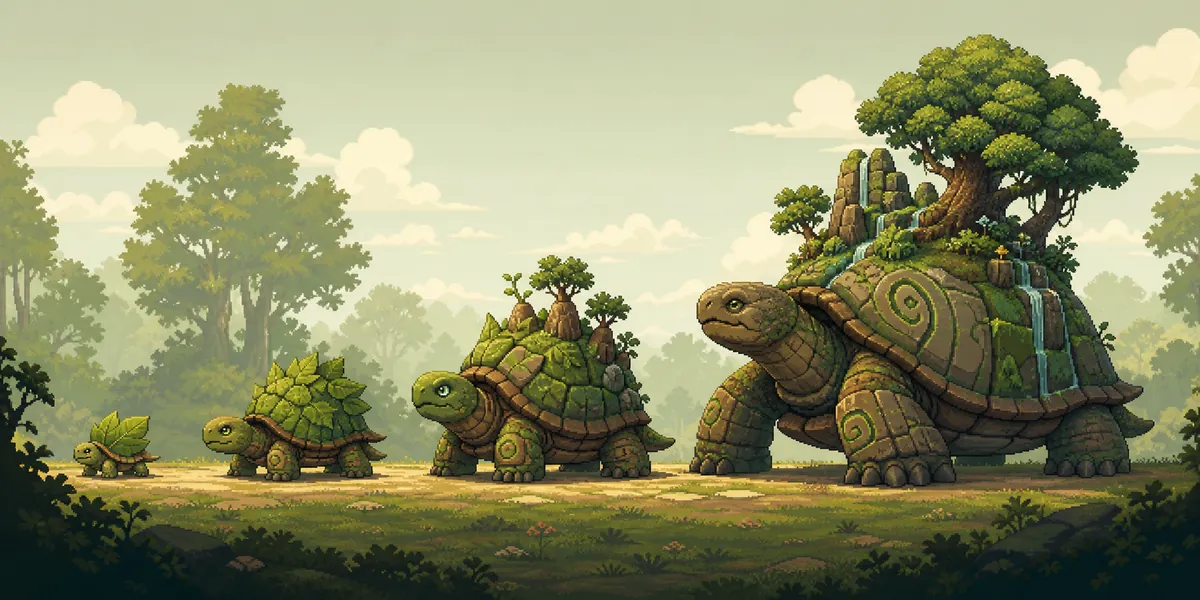
The Turtwig evolution line has two level milestones. Turtwig becomes Grotle at level 18, then Grotle becomes Torterra at level 32. There is no stone, friendship check, trade, or special location requirement in the current site guide data. If evolution does not trigger when expected, first confirm the Pokémon has actually reached the required level and that an evolution prompt is not waiting in the game interface.
This focused page expands the Turtwig decision; the complete PokeChill Evolution Chart remains the better page when you need to compare every species. Keeping those jobs separate prevents the general chart from becoming a long build guide while giving Turtwig players enough detail to make an investment decision.
Turtwig
Pure Grass type. Use the early levels to compare IV quality and decide whether this copy deserves long-term resources.
Grotle
A sturdier middle stage. Test its survival and damage in your current zone before spending rare materials.
Torterra
Grass/Ground final form. Gains a stronger defensive identity, broader matchup value, and a major Ice weakness.
Why Torterra Changes the Turtwig Evolution Decision
Reaching level 32 is more than a visual upgrade. Torterra's Grass/Ground identity changes the role you should expect it to play. It can provide a stable answer into Water-, Electric-, Rock-, or Ground-oriented pressure when the current PokeChill matchup system follows familiar type relationships. It is usually more valuable as a durable anchor than as the fastest damage dealer on the roster.
The tradeoff is matchup volatility. Grass/Ground creates an especially dangerous Ice weakness, and Flying-, Bug-, Fire-, or opposing Grass coverage may still be awkward. That means the best Torterra is not simply the one with the highest level. It is the one placed beside partners that absorb bad matchups and let its bulk matter.
If your account already uses a strong defensive Ground or Grass slot, Torterra may be redundant. Compare its purpose with your best team plan and the current PokeChill tier list before moving rare upgrades.
Best use
Durable progression anchor, defensive switch-in, and Grass/Ground coverage slot.
Main strength
Reliable bulk and useful typing when the enemy cannot exploit Ice or Flying pressure.
Main risk
A strong Ice weakness can erase the benefit of good defenses in the wrong zone.
Investment test
Evolve naturally, test Torterra in real battles, then decide on Genetics or rare items.
What to Check Before You Evolve Turtwig
Leveling to 18 or 32 is normally safe, but permanent or scarce upgrades deserve more care. A common mistake is treating the first starter copy as the automatic long-term host. If PokeChill gives you additional Turtwig later, a better IV spread may save more time than early investment gains.
Use a simple checkpoint at each stage. At Turtwig, compare copies. At Grotle, test whether the line actually solves a current progression problem. At Torterra, decide whether it belongs in the final team or only serves as temporary coverage.
- Compare IVs first. Prioritize the stats that support the role you need: survivability for an anchor, or enough offense to keep idle clears efficient.
- Protect rare resources. Ordinary experience is easier to replace than Genetics materials, premium currency, or limited upgrade items.
- Check the current zone. A strong Turtwig line can still feel weak if the zone repeatedly uses Ice, Flying, Fire, or Bug pressure.
- Keep a backup plan. Do not dismantle the rest of the team before Torterra proves it can hold the intended slot.
Torterra Build Priorities After Turtwig Evolves
Build by function rather than copying a fixed move list. PokeChill can change available moves, item names, or balance details, so current in-game tooltips should override generic franchise assumptions. The stable goal is a Torterra that survives long enough to make repeated Grass or Ground pressure useful.
For most progression teams, bulk comes first, consistent same-type damage comes second, and coverage or utility comes third. If your Torterra already survives comfortably, shift the next upgrades toward clear speed. If it faints before acting, more damage will not solve the real problem.
| Build area | Priority | Reason |
|---|---|---|
| IV selection | HP/defense plus usable offense | Torterra needs enough bulk to function, but excessive defense with no damage slows every idle loop. |
| Main attack | Reliable Grass or Ground damage | Same-type pressure defines why Torterra earns a team slot. |
| Coverage | Answer resistant targets | Coverage reduces dead turns when the main attack is poorly matched. |
| Held item | Bulk until stable, damage afterward | Use the item to fix the bottleneck shown by real battle results. |
Best Team Partners for Torterra
Torterra teams should be built around protection, not duplication. Start with a partner that can take Ice attacks or remove Ice-oriented enemies quickly. Then add a faster attacker for matchups where Torterra's lower tempo would slow progress.
The starter choice itself is not a permanent verdict. The complete PokeChill guide explains how Froakie, Litten, and Turtwig fit different playstyles, while this page focuses only on the Turtwig line.
Fire or Steel-style protection
Use a teammate that pressures Ice, Bug, or opposing Grass enemies. Charizard can fill an offensive version of this role when its own weaknesses are covered; see the Charizard build guide.
Fast Water coverage
A fast Water partner can handle Fire pressure and give the team a quicker answer when Torterra should not remain in the lead role.
Neutral high-speed carry
A reliable fast attacker keeps farming efficient while Torterra handles defensive or type-specific jobs.
Common Turtwig Evolution Mistakes
1. Stopping at the level answer
Knowing levels 18 and 32 does not tell you whether this Turtwig is the right investment. Compare IVs and team needs.
2. Assuming Torterra has no bad matchups
Its bulk is valuable, but Ice pressure can punish the Grass/Ground combination very hard.
3. Spending Genetics before testing
Reach the final form, run real zones, and confirm the role before using scarce transfer resources.
4. Building two Pokémon for the same job
If another team member already covers the same defensive and type roles, spend resources where the lineup has a real gap.
Sources and Scope
The PokeChill-specific evolution levels and team context are based on this site's current evolution chart, game guide, and tier list, checked July 30, 2026. Current in-game prompts should take priority if a future balance update changes a requirement.
For franchise identity and official species context, consult the official Pokémon Pokédex entry for Turtwig. This article does not claim that every main-series move or mechanic exists unchanged in PokeChill.