Pokeclicker Guide: Regions, Berries, Dungeons & Beginner Tips
A practical route from the first region to a stronger midgame roster, with resource priorities, dungeon preparation and safe ways to learn the game.

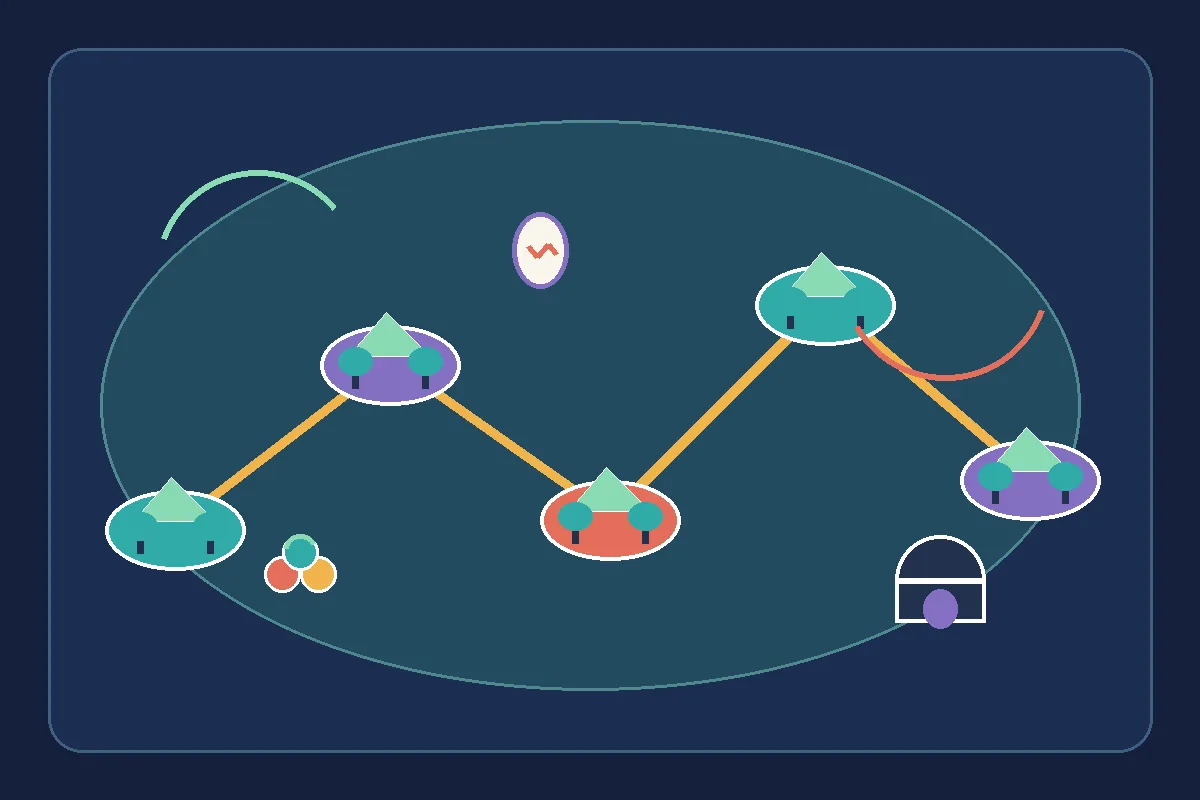
The Core PokéClicker Plan: Fix the Next Bottleneck
PokéClicker looks simple because the map keeps moving and many battles resolve automatically, but the important choices are not random clicking. You are balancing region progress, Pokémon availability, berry production, egg hatching, dungeon attempts and long-term completion goals. A good PokéClicker beginner guide should therefore answer two questions at every step: what is stopping progress now, and which action will still help after the next route unlocks?
Use the live game tooltips and the official PokéClicker references for exact requirements because balance, events and available content can change. This page is a decision guide rather than a replacement for a complete data table. It also has a narrower boundary than the site's Best Pokemon Browser Games and Pokemon Idle Games pages: the subject here is one game and the routine for building a healthy save.
If you are unsure what to do next, push the current region until one resource becomes the clear limiter. If clicks or route damage are the issue, improve progress power. If a new route needs a particular catch, focus on encounters. If eggs, berries or dungeon tokens are the constraint, switch to the system that produces that resource instead of spreading effort across every menu.
Read the map first
Check the next route, encounter list and unlock condition before spending a rare resource. A little information prevents a long detour.
Keep berries working
Plant a useful cycle before leaving the game. Idle progress is stronger when the garden is producing something you will actually spend.
Hatch with a reason
Choose eggs that fill a route, type or power gap. A new entry is helpful, but a duplicate that solves nothing can wait.
Enter dungeons deliberately
Treat a dungeon as a test of preparation and reward value, not as a mandatory click every time it appears.
PokéClicker Beginner Progression Loop
A reliable opening loop has four stages. First, advance the current region far enough to reveal what the next area expects. Second, use the garden and nearby encounters to repair that weakness. Third, hatch or train the Pokémon that makes the next section easier. Fourth, explore dungeons and challenge content only after the core route is stable.
The order matters because each stage answers a different question. Region progress tells you what is available. Farming gives you repeatable resources. Hatching turns resources into roster depth. Exploration converts a prepared roster into rarer rewards. Skipping straight to the last stage often feels exciting but leaves the save short on the basics needed to recover.
Do not measure progress only by the number of areas unlocked. A healthy save has a repeatable routine that can recover from a slow route, a disappointing egg or a failed dungeon attempt. When the next unlock is close, save the resource that directly pays for it; when the route is blocked by a catch or type, spend on the roster instead.
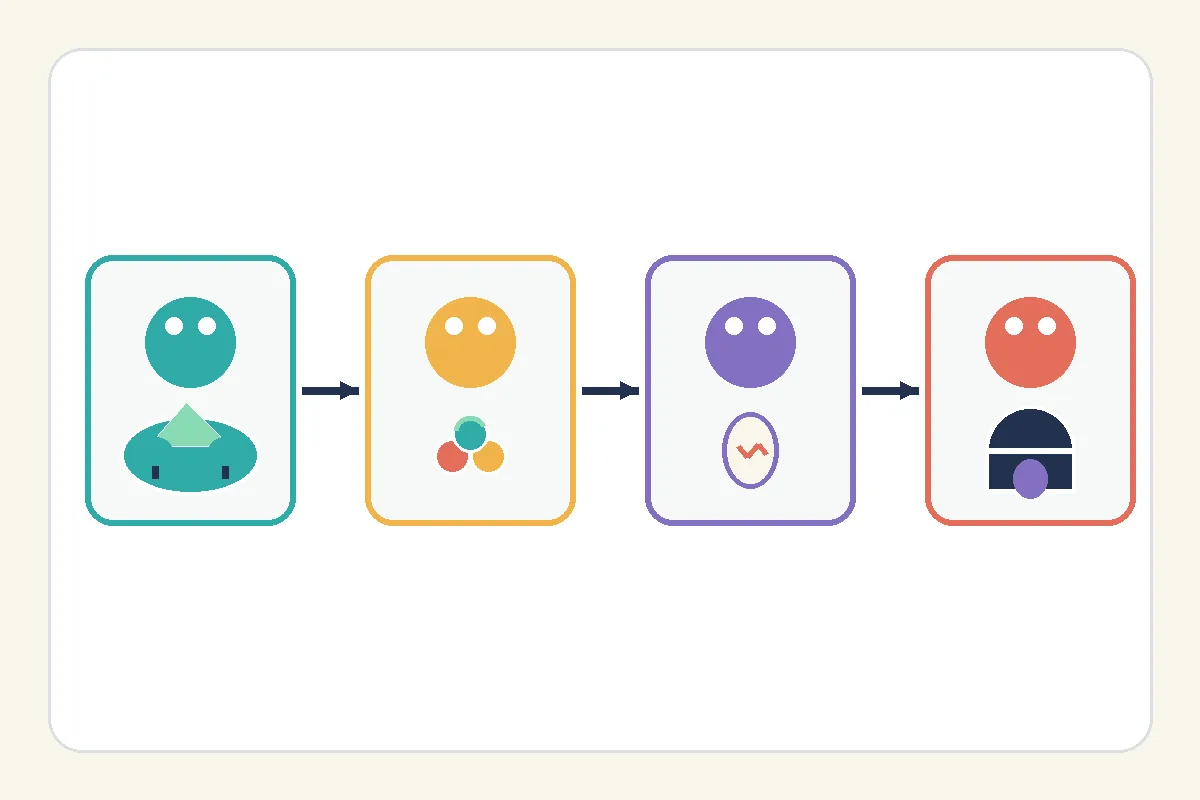
Reveal the next bottleneck
Grow the resource you need
Add a useful roster answer
Take a prepared dungeon risk
| Progress signal | Best next action | Why it helps |
|---|---|---|
| The route slows but no requirement is visible | Inspect the next map and tooltips | You avoid spending on the wrong system. |
| A required encounter is missing | Target that route before broad farming | One useful catch can unlock more than a small power boost. |
How to Approach PokéClicker Regions
Think of each region as a short planning cycle rather than a finish line. Early routes teach the economy and provide the encounters needed for a wider roster. When you reach a new area, pause long enough to note its available Pokémon, local reward pattern and the resource that appears to control the next unlock. That note becomes more valuable than blindly following an old list of exact numbers.
For an early region, prefer dependable progress over perfect collection. Catch the Pokémon that removes a current weakness, then return to completion goals when the route is stable. In a middle region, the opportunity cost changes: a new encounter, a useful egg or a berry upgrade may be worth more than a small amount of extra route speed. In a late region, preserve your best answers for the content you actually want to clear.
If the game presents several choices, compare them by future usefulness. A reward that helps the next two routes is usually better than one that only makes the current route slightly faster. When exact encounter rules change, the decision framework still holds: identify the gate, choose the cheapest reliable way through it, and keep a recovery option available.
| Region phase | Primary focus | Check before spending |
|---|---|---|
| Opening routes | Learn the map and build a broad base roster | Which encounter or upgrade removes the first wall? |
| New region unlock | Confirm requirements before chasing completion | What does the next area actually ask for? |
Berries, Eggs and the PokéClicker Resource Loop
Berries are easy to undervalue because their benefit arrives over time. In practice, a productive garden is part of your progression engine: it smooths out future costs and lets you keep exploring while resources grow. Plant for the next decision, not for a vague idea of having a full inventory. If an upgrade or hatch needs a specific berry cycle, start it before you need the result.
Eggs are another form of delayed progress. The best egg is not always the rarest-looking one; it is the one that improves the route you are currently trying to solve. A new type, a missing encounter or a stronger answer for a dungeon can be more valuable than a duplicate that only raises collection count. Keep a short list of roster gaps so each hatch has a job.
Achievements, dungeon rewards and completion systems work best as a loop. Use normal region play to build resources, spend those resources on a targeted improvement, then use the stronger roster to reach content that returns rarer rewards. The loop should be visible in your choices; if a system does not connect to the next objective, it can usually wait.
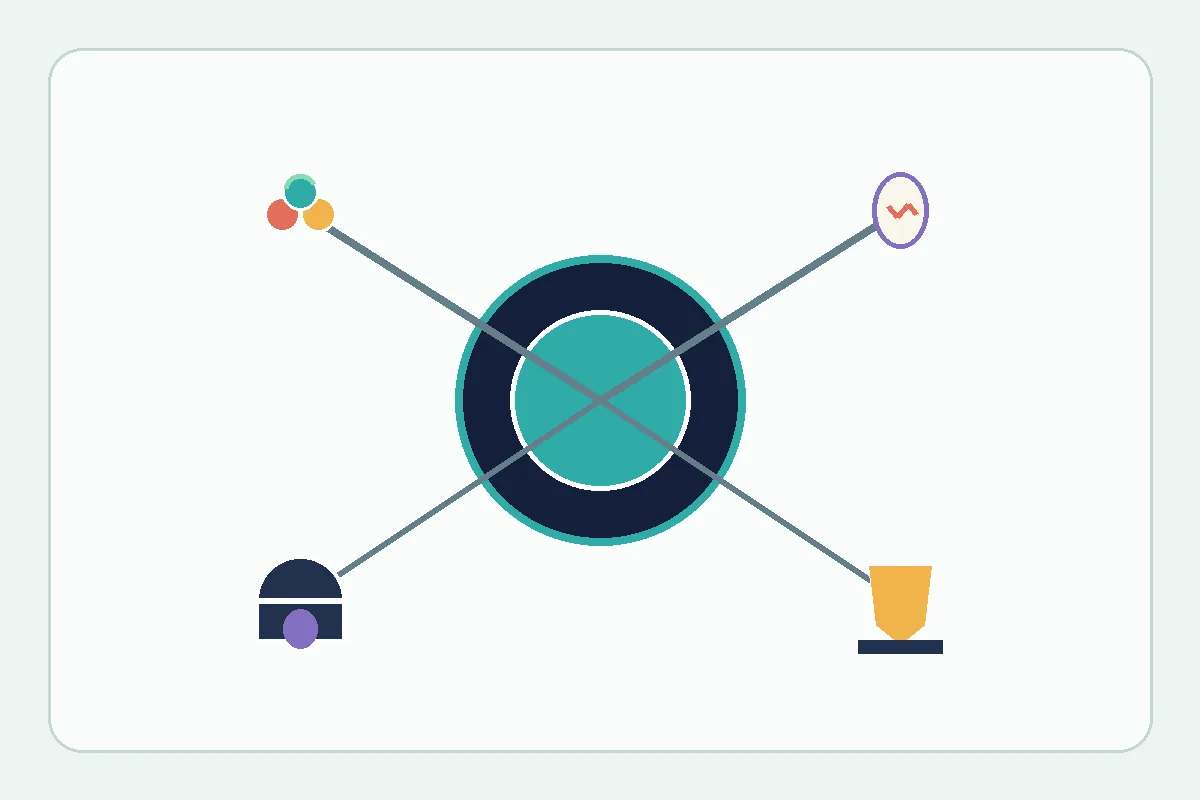
- Berries: start long growth cycles before a planned spend and avoid planting only what is convenient.
- Eggs: use them to repair a roster gap, unlock a route or improve a known matchup.
- Encounters: target the area that supplies a missing requirement instead of catching duplicates everywhere.
- Achievements: treat completion as a long-term bonus unless it directly improves the current route.
- Dungeon rewards: compare the likely payoff with the cost of a failed attempt and the time to recover.
PokéClicker Dungeon Preparation
Dungeons change the rhythm of a normal route. They ask you to value preparation, coverage and recovery instead of pressing forward until the next map tile opens. Before entering, identify the reward you want and the first failure that would make the run worthless. If you cannot name either one, keep farming and learning the current region first.
A good dungeon roster does not have to be perfect. It needs enough reliable damage, a way to handle the likely obstacle, and spare resources for the possibility that the first plan is wrong. Bring the Pokémon and items that solve the dungeon's actual problem, not the six members that happen to have the highest general rating.
After a failed attempt, write down the first repeatable problem: not enough damage, a missing encounter, a resource shortage or a poor reward trade. Change that one variable and keep the rest of the plan similar. This makes the next run informative and prevents a string of random rebuilds from hiding what the dungeon is testing.
| Dungeon question | Preparation | Useful outcome |
|---|---|---|
| What reward am I entering for? | Confirm that it supports the next objective | You avoid spending resources for a reward you will not use. |
| What stops the first plan? | Bring one backup answer or recovery reserve | A bad matchup does not end the entire attempt. |
Common PokéClicker Mistakes and Save Safety
The most common mistake is trying to optimize everything at once. A new save has limited attention and resources, so spreading upgrades across berries, eggs, encounters, achievements and dungeons can leave every system almost useful but no system strong enough to open the next gate. Pick one bottleneck, solve it, then reassess.
Protect the save itself as carefully as the roster. Use the game's own save, export or account options when available, read warnings before clearing browser data, and avoid assuming that a different browser or private window shares progress. If you play on more than one device, confirm how the live game stores progress before treating a second device as a backup.
| Signal | Risk | Fix |
|---|---|---|
| Planting every berry without a plan | The needed cycle is delayed when a route opens | Choose the next spend first, then plant for it. |
| Hatching only for rarity | A duplicate does not repair the current wall | Keep a short list of missing roster jobs. |
PokéClicker Guide FAQ
What should I do first in PokéClicker?
Advance the opening region, read the next unlock condition and build a basic roster before chasing rare completion rewards. Let the first slowdown tell you whether you need power, an encounter, berries or an egg.
What is the best PokéClicker beginner strategy?
Use a repeating loop: inspect the next region, farm the resource behind the current bottleneck, hatch or train one useful answer, then test the next route or dungeon. Reassess after every meaningful unlock instead of following one permanent build.
How should I use berries in PokéClicker?
Start berry cycles before a planned upgrade or hatch, and prioritize the resources that support your next objective. A full garden is less useful than a timely harvest that removes a real progression gate.
Are dungeons worth doing early?
They can be, but only when the reward supports your plan and your roster has a backup for the first likely failure. If an attempt ends immediately, farm or improve the specific weakness before entering again.